How Industries Can Address Wastewater Treatment Challenges
February 19, 2026
Understanding Wastewater Sources
Wastewater is an unavoidable byproduct of both daily life and industrial operations.
Residential wastewater is generated from everyday household activities such as washing, cooking, laundry and sanitation. This type of wastewater typically contains soaps, microorganisms, waste and organic matter.
On the other hand, industrial wastewater is usually highly concentrated and complex in nature and can contain visible pollutants or dissolved chemicals. It is produced through manufacturing, processing, cleaning and other industrial operations. Depending on the industry, industrial wastewater can contain high levels of oils and grease, suspended solids, metals, chemicals and other materials. Because of its strength and variability, industrial wastewater frequently requires specialized treatment processes before it can be discharged or reused.
Industries that Produce Wastewater
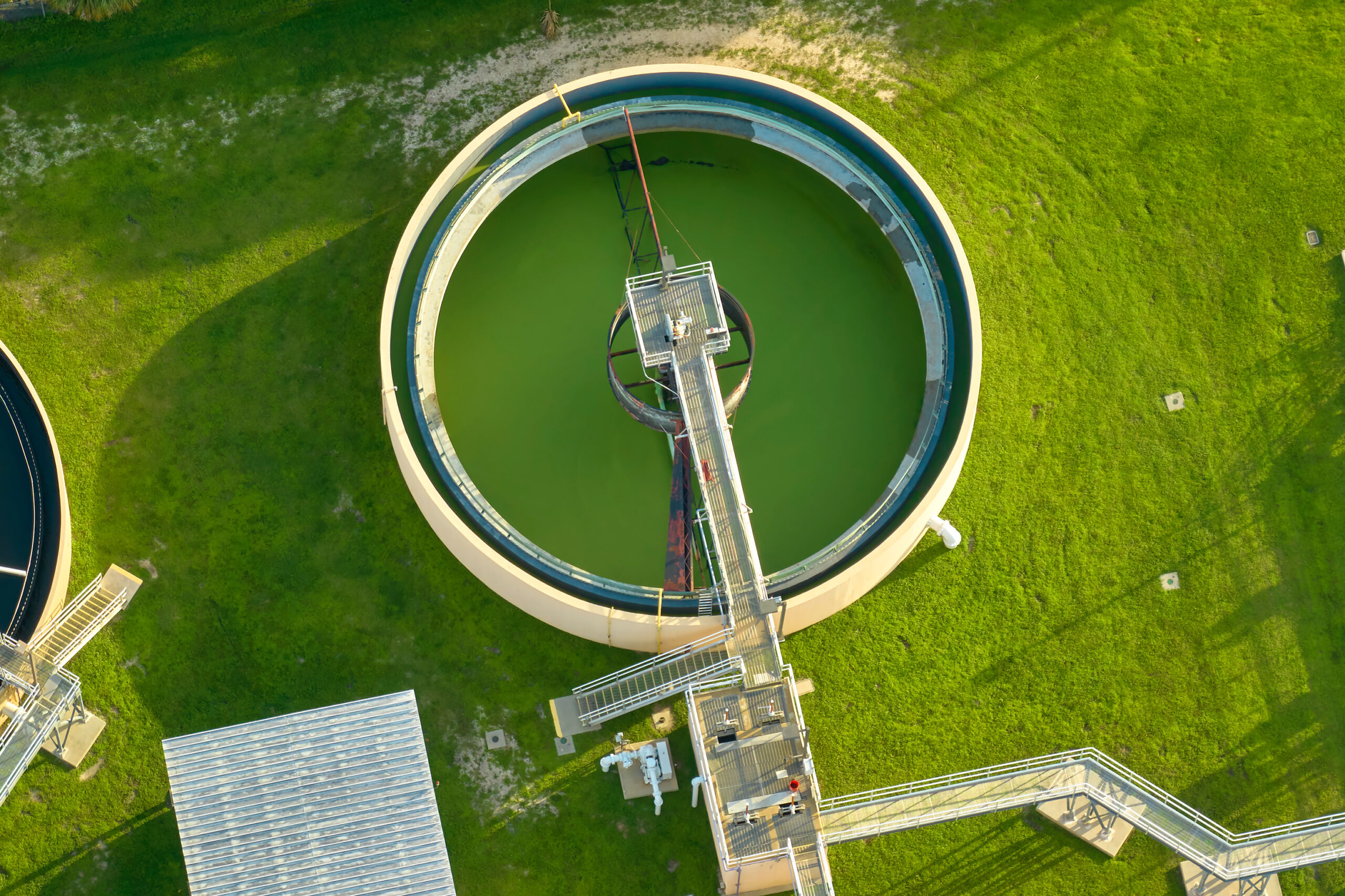
The Mobile area and the broader Southeast are home to a diverse range of thriving industries, from food and beverage manufacturing to oil and gas operations. Many of these facilities generate significant volumes of industrial wastewater, each with its own unique treatment challenges. McFadden Engineering works closely with customers in these industries to provide tailored wastewater treatment solutions that ensure compliance, efficiency and environmental responsibility.
Industries that have consulted our engineers include food and beverage, pulp and paper, wastewater acceptors, oil and gas drilling and more.
Food and Beverage
In the food and beverage industry, wastewater is typically generated during washing, processing and sanitation processes. This wastewater often contains sugars, fats, proteins and other materials that result in elevated Biochemical Oxygen Demand (BOD) levels. These can overwhelm municipal systems if not properly managed. Season production peaks and frequent sanitation cycles add further complexity, making consistent treatment performance a challenge.
Pulp and Paper
The pulp and paper industry produces wastewater from pulping, bleaching and other paper-forming processes. These wastewater streams include high levels of organic matter, harsh chemicals, metals and other contaminants which can be difficult to treat biologically and could require advanced chemical or physical processes to meet discharge limits. The volume of water used in the industry, combined with the complexity of contaminants, makes treatment design and optimization especially critical.
Oil and Gas Drilling
In oil and gas drilling operations, wastewater is generated from drilling fluids, equipment washdown and other operational processes. This wastewater may contain hydrocarbons, solids and chemical additives that require advanced treatment prior to discharge or reuse. Strict regulatory oversight and the risk of groundwater or surface water contamination demand robust treatment strategies that ensure safe discharge or reuse. Managing these waste streams is essential to protecting surrounding water resources and maintaining regulatory compliance.
Our Approach to Wastewater Treatment

Each of these industries faces challenges related to wastewater variability, regulatory requirements and environmental responsibility. Variability in wastewater characteristics, evolving permit requirements, and aging infrastructure can make treatment systems difficult to manage. Proper evaluation and treatment are essential to ensuring that discharges meet applicable standards.
With decades of experience in the water and wastewater sectors, McFadden Engineering brings true expertise when it comes to industrial wastewater treatment. We understand that each wastewater treatment scenario is unique in its goals, including process requirements, permitting limits and other regulations. McFadden Engineering begins with a system evaluation and compliance review, then moves into planning for optimization of the wastewater treatment system and facilities.
Our services include:
- System evaluation and compliance review
- Planning for optimization of the wastewater treatment system and facilities.
- Assessing any opportunities to reuse water within the facility
- Streamlining treatment processes to achieve full compliance and ultimately reduce or eliminate surcharges and extra costs incurred from not meeting permit limits
Partner with McFadden Engineering to develop an industrial wastewater treatment solution that meets regulatory requirements, improves system performance and supports long-term operational goals.